In the industrial fluid conveying sector, progressive cavity pumps (also knownknown as screw pumps) and rotor pumps are two commonly usare two commonly used positive displacement pumps, each with uniquewith unique structural features and performance advantageadvantages. For industrial clients worldwidworldwide, selecting the rightright pump model based on specific application scenarios is cruccrucial to ensuring the fluid conveying system operates efficiently, stably, and economically. As an experiencprofessional manufacturer of fluid conveying equipment, HONGTUO Machinery leveragesleverages years of industry experience and prpracticical application data to provide you withprovide you with a comprehensive selection guide, helphelping you distinguishdistinguish the advantages of progressive cavity pumps and rotor pumps to make the most suitablebest choice.
First, it is necessary to understandFirst, it is essential to understand the key differences between progressive cavity pumps and rotor pumps, as these differences directly determinaffect their suitability for various scenarios. IIndustry data shows that shows that the two pump types differ significantly in structure, conveying performance, and application scope, which also determines their respective advantages in different working conditions.
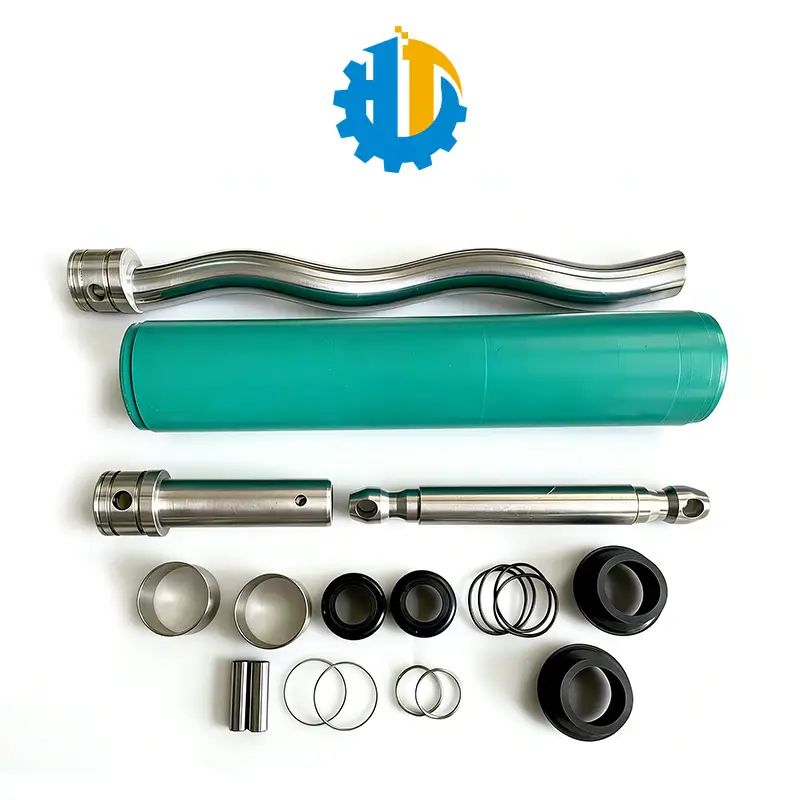
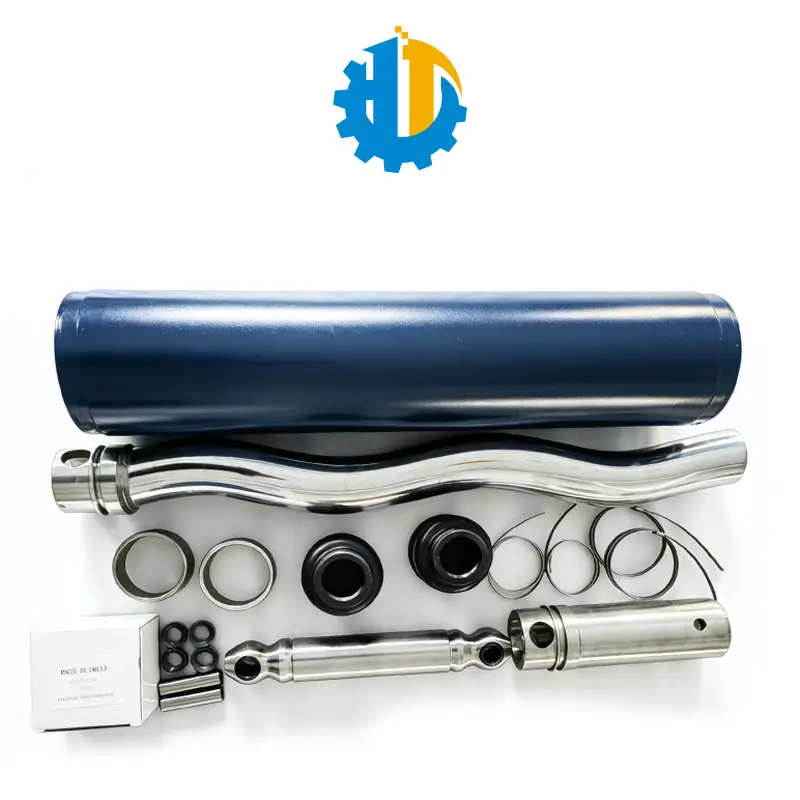
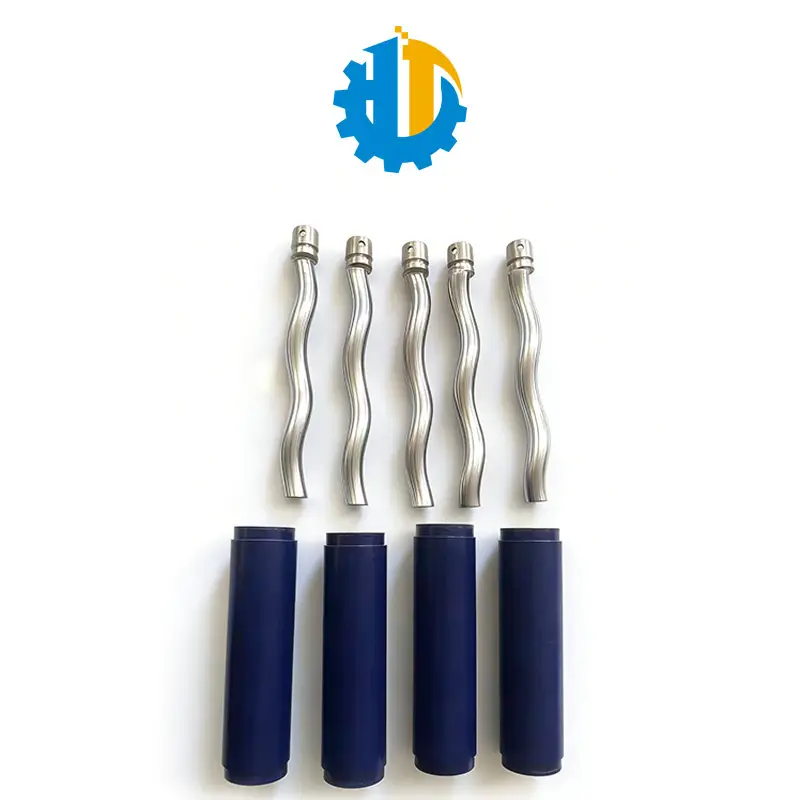
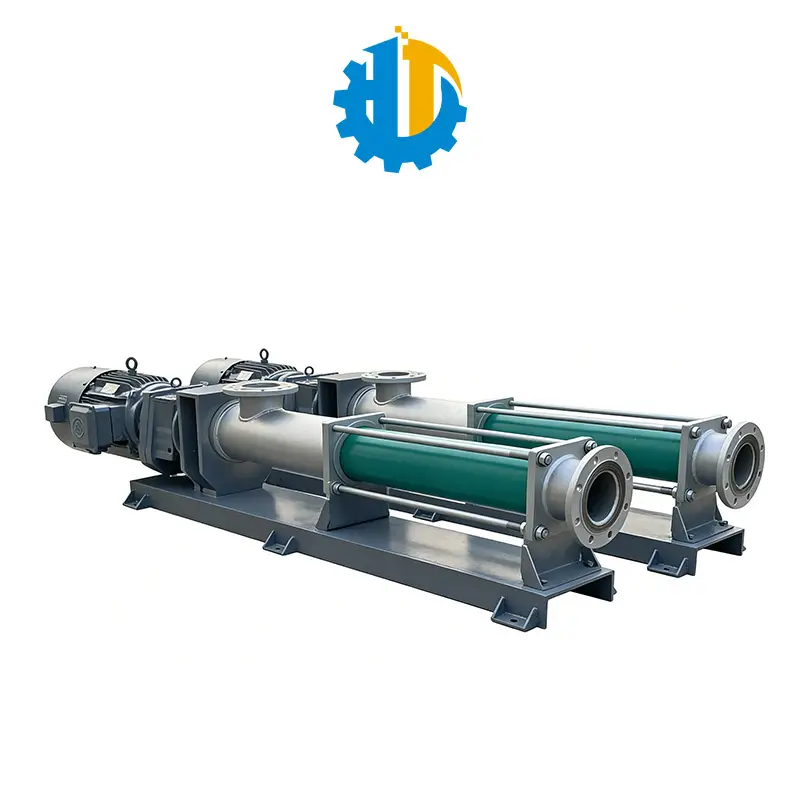
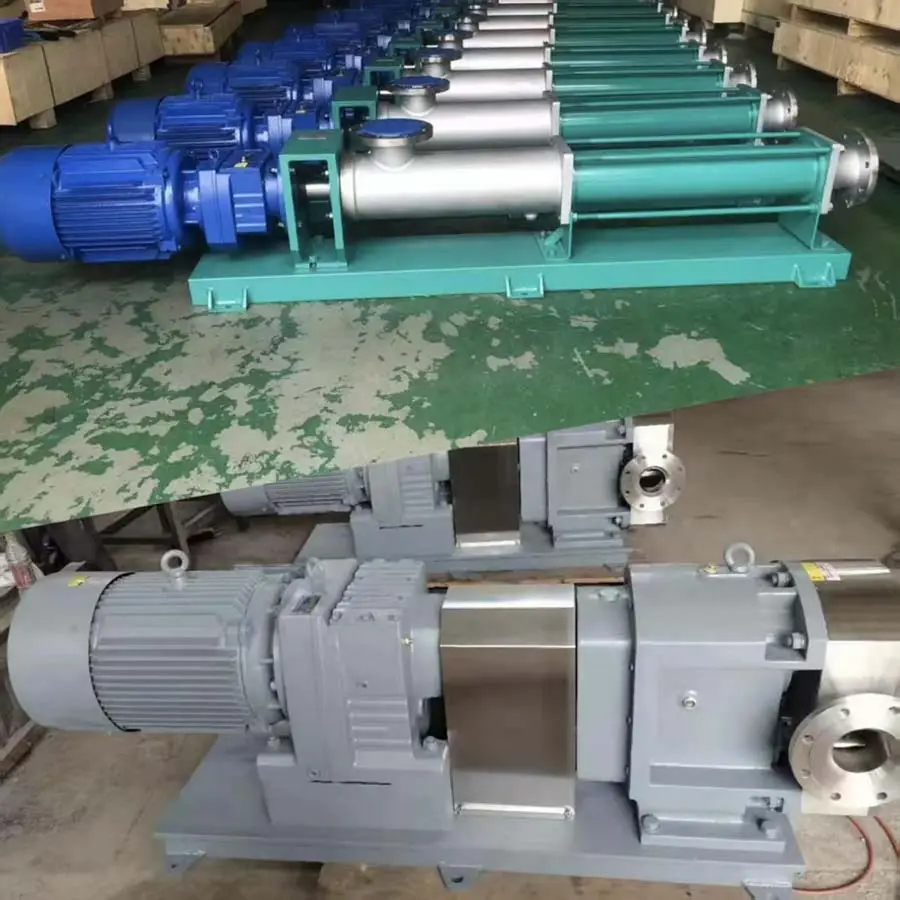
Progressive cavity pumps mainly consist of a stator and a rotor. WhenThe rotor rotates inside the stator to form a continuously moving sealed cavity, realizingo transport fluid. Their key advantages are stable flow rate (flow fluctuation is less than ±1%, muchmuch lower than the industry average of ±5%), a wide range of conveying pressure (up to 40bar), strong self-priming capacity (maximum self-priming height up toup to 8 meters), and the ability to convey high-viscosity media (viscosity up to 1,000,000 mPa·s), media containing solid particles (particle size up to 5mm) or fiber components, as well as solid non-fluid media. They are particularly suitablesuitable for scenarcenarios where the fluid is thick, contains impurities, or requires stable flow.
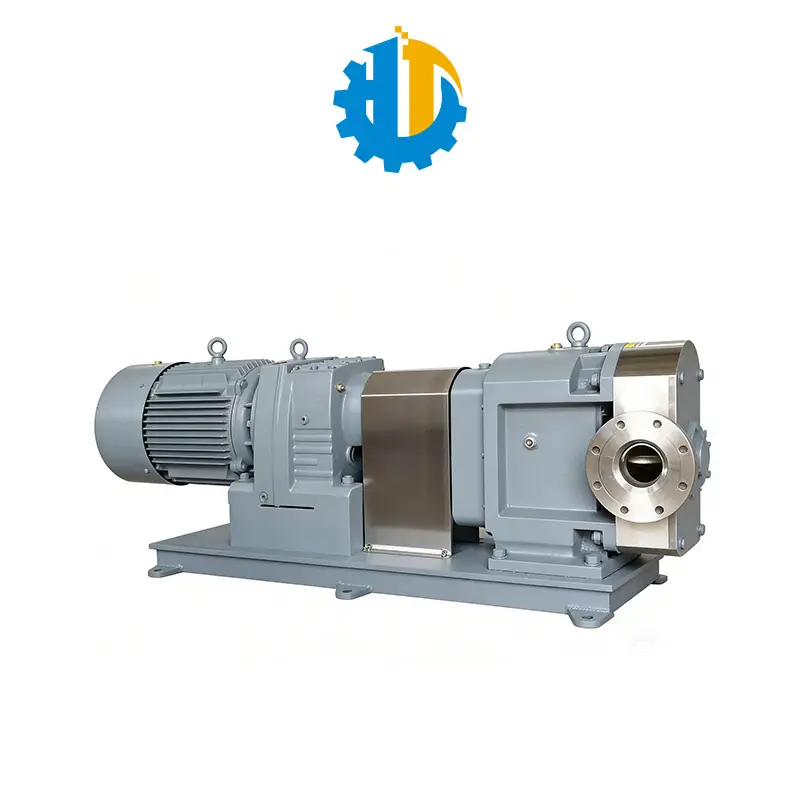
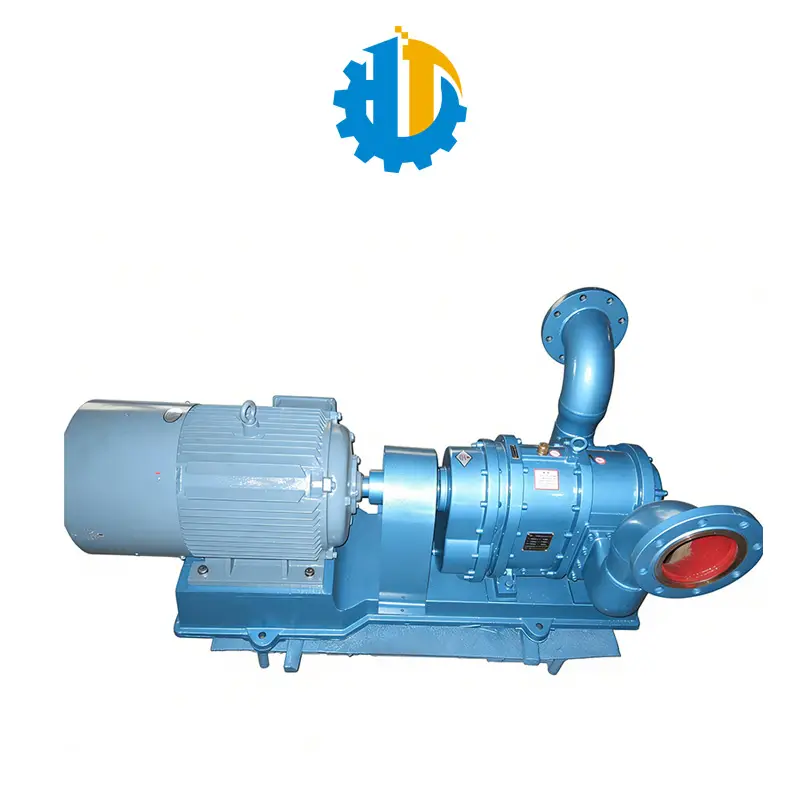
Rotor pumps are dividdivided into rubber rotor pumps and metal rotor pumps, consnsistting of of two or more intermeshing rotors that rotate synchronously. Fluid is sucked into the pump body through the gaps between the rotors and pushed to the discharge port. Rotor pumps offer advantages such as high efficiency (efficiency up toup to 85%-90%, higher than the average level of progressive cavity pumps), strong adaptability to high-temperature media (maximum operating temperature ofof 150℃ for metal rotor pumps), and large flow rate (single pump flow rate up to 1000 m³/h). They are more suitablsuitable for scenarios requiringrequiring large flow rates and the conveyance of clean or slightly corrosive media.
Based onased on the performance characteristics and prpracticical application data of these two pump types, we can select the appropriateappropriate equipment for different industrial application scenarios. Below are the most common application scenarios, along with corresponding selection recommendations and relevant industry application data:
Sewage treatment typically involves transporting media with large amountamounts of solid particles (content up to 30%), sludge, and fiber impurities, which are highlyare highly abrasive. In such cases, progressive cavity pumps are the best choicechoice. Their strongstrong self-priming ability and non-damaging conveying features can effectively avoid blockages, reducing the failure rate of the sewage treatment system by more than 40%. HONGTUO Machinery’s progressive cavity pumps are made ofmade of wear-resistant rubber and corrosion-resistant materials (such as 316L stainless steel), enabling them to adapt to the harsh working environment of sewage treatment (pH value 2-12) and have a service life 1.5 times longer than ordinary pumps.
The chemical industry oftenoften needs to convey corrosive, high-temperature (up to 120℃), and high-pressure (up to 35bar) media, with relatively high requirementrequirements for pump pressure and efficiency. Such scenarios are more suitable for rotor pumps (especially metal rotor pumps)moreabl. Made of corrosion-resistant alloy materials, they havehave excellent pressure resistance and corrosion resistance, which can stably convey various chemical media (such as acids, alkalis, and organic solvents) and ensure production safety. For certain high-viscosity chemical media (viscosity 50,000-500,000 mPa·s), HONGTUO’s rubber rotor pumps can also provideprovide reliable conveying solutions, with a conveying efficiency of over 80%.
In the petroleum and oilfield industry, the transportation of crude oil (viscosity up to 500,000 mPa·s), sludge, and other media requiresrequires pumps with strong self-priming ability and stable flow rate, and progressive cavity pumps can perfectly meet this demand. They can convey high-viscosity crude oil and media containing sand particles (particle size up to 3mm) without affectaffecting oil quality, and the flow stability can reach ±0.5%. HONGTUO’s progressive cavity pumps are designed with wear-resistant rotors and stators (ususing nitrile rubber and hard alloy materials), which can adapt to the harsh working conditions of oilfields (high temperature, high pressure, and strong abrasion) and reduce maintenance costs by 30% compared with ordinary pumps.
The food processing industry has strict requirements for the cleanliness and non-damage of conveyed media (such as fruit pulp, syrup, and dairy products), requiring the pump’s flow-through parts to meet food-grade standards. The flow-through parts of HONGTUO’s rotor pumps can all be made of 316L stainless steel, which compliescomplies with FDA food safety standards, and there is no issue of stator rubber wear and detachmentdetachment, ensuring the cleanliness of the conveyed media. For high-viscosity, fiber-containing media (such as fruit pulp with fiber content up to 20%), progressive cavity pumps are more suitable; for low-viscosity, clean media (such as syrup with viscosity less than 1000 mPa·s), rotor pumps can provide higher conveying efficiency, up to 90%.
As a professional manufacturer integrating R&D, production, sales, and after-sales service, HONGTUO Machinery has accumulated more than 10 years of experience in the fluid conveying equipment industry, serving over 500 customers in more than more than 30 countries and regions around the world. We provide high-quality progressive cavity pumps, rotor pumps (both rubber and metal), and customized selection solutions to global clients. Our products havehave the following advantages:
Using high-quality materials (316L stainless steel, wear-resistant rubber, hard alloy) and advanced CNC precision production technology, the pump body is wear-resistant, corrosion-resistant, and has a long service life, with an average service life of 3-5 years, 20% longer than the industry average;
Our prices are more competitive than those of international brands (such as NETZSCH and Seepex), 30%-50% lower than them, while the quality is in line with international standards (ISO9001 quality management system certification), helping clients significantly reduce procurement costs;
According to the specific needs of clients (such as media characteristics, working pressure, flow rate, and operating temperature), we provide customized pump design solutions with a customization cycle of only 7-15 working days, ensuring the best conveying effect;
Our professional technical team (with an average of 8 years of industry experience) provides one-stop services from selection guidance, installation and commissioning to after-sales maintenance, solving all your worries, with 24-hour after-sales response and on-site maintenance support in key regions.
Whether you need a progressive cavity pump or a rotor pump, HONGTUO Machinery can provide you with the most suitable product and solution based on your actual application scenarios and data requirements. If you are still confused about pump selection, contact us now—our professional team will respond within 24 hours, conduct a detailed analysis ofconduct a detailed analysis of your specific application scenarios, and help you choose the most cost-effective fluid conveying equipment.
10 Mar,2026
09 Mar,2026
08 Mar,2026
07 Mar,2026
Hunan HONGTUO Machinery Co., Ltd. is a modern high-tech enterprise integrating R&D, production, sales and service, located in Xingsha Industrial Park, Changsha Economic and Technological Development Zone, Hunan Province, China. We focus on the field of fluid conveying equipment and provide professional, efficient and customized fluid conveying solutions and product services for global customers.
We'll get back to you as soon as possible

 EN
EN AR
AR NL
NL FR
FR DE
DE IT
IT PL
PL PT
PT RU
RU ES
ES VI
VI TH
TH MS
MS