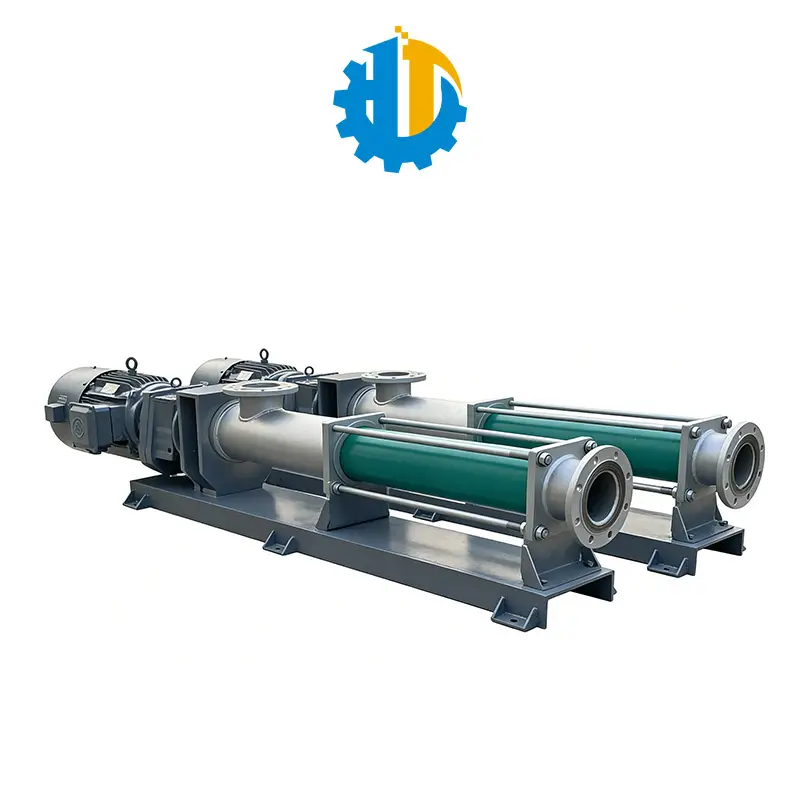
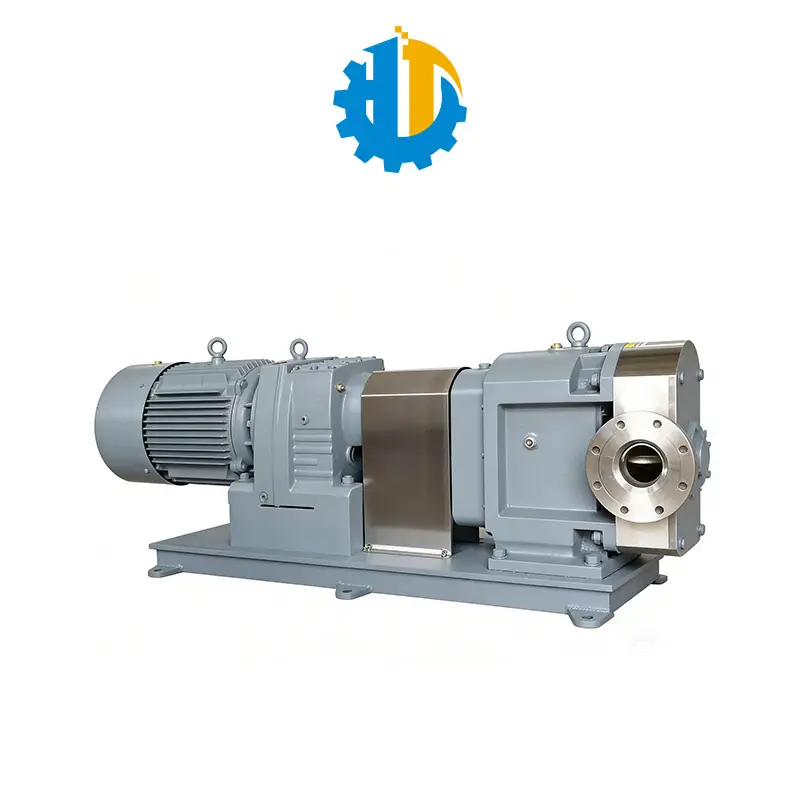
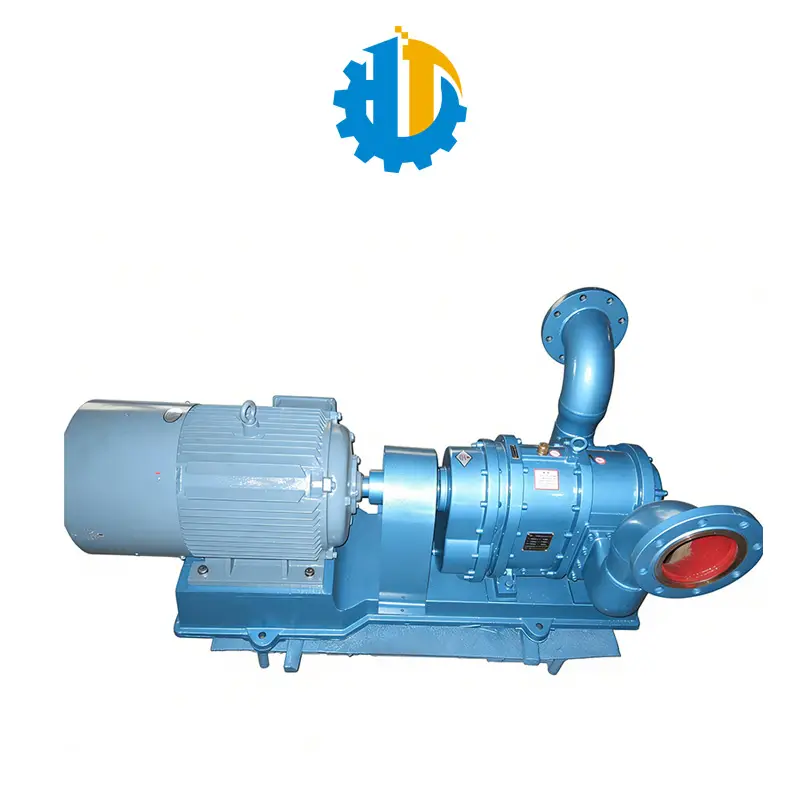
In various industrial settings—including the chemical, petroleum, sewage treatment, and food processing industries—progress cavity pumps have become essential equipment for maintaining continuous production, thanks to their efficient fluid transfer capabilities and excellent adaptability to working conditions. The stable operation of progress cavity pumps directly impacts production efficiency and maintenance costs, while scientific, standardized daily maintenance is key to extending equipment service life, reducing unplanned downtime, and controlling maintenance expenses. Drawing on the operational characteristics of mainstream imported progress cavity pumps (such as Netzsch, Seepex, and MONO), this article systematically outlines key daily maintenance processes, common pitfalls and precautions for maintaining core components (stators and rotors), the maintenance advantages of HONGTUO replacement parts, and simple troubleshooting methods for common faults. It provides practical, actionable guidance for enterprise equipment maintenance, helping businesses achieve efficient, cost-effective operations.
Daily maintenance of progress cavity pumps must adhere to the core principle of "daily cleaning, regular inspection, and standardized maintenance." By implementing maintenance in phases and focusing on key areas, you can prevent equipment failures caused by improper care from the start. Below are the specific operational details:
Cleaning is the foundation of daily progress cavity pump maintenance. Its primary goal is to remove impurities and medium residues from the equipment surface and key components, preventing component wear and pipeline blockages to ensure stable operation. Key cleaning areas and procedures are as follows: First, clean the pump body and pipelines. Use a soft cloth dipped in neutral detergent to gently wipe the pump body surface and inlet/outlet pipelines, thoroughly removing oil stains, medium crystals, and dust. This prevents crystal blockages, corrosion of pump connections, and reduced fluid transfer efficiency. Second, clean the motor and heat dissipation components. Wipe the motor housing and heat sinks to ensure unobstructed heat dissipation, preventing motor burnout and maintaining stable power output. Third, clean the sealing components. Carefully remove impurities and residual medium from the sealing surface to prevent seal wear and aging, and eliminate medium leakage. Importantly, never use a high-pressure water gun to directly clean precision components such as the motor or seals. After cleaning, dry the equipment thoroughly to prevent water from seeping inside and damaging components.
Regular inspections should be conducted weekly and monthly, focusing on monitoring equipment operating parameters, mechanical components, and core part conditions. This allows for early detection and resolution of potential issues, preventing minor problems from escalating into major failures. The specific inspection items are as follows:
● Weekly Inspection (Operating Parameter Monitoring): Monitor the pump’s inlet/outlet pressure, flow rate, motor current, and speed to ensure all parameters meet the equipment’s rated specifications. If you notice sudden pressure spikes, abnormal flow drops, or significant current fluctuations, shut down the pump immediately to investigate potential issues such as pipeline blockages or core component wear, preventing further damage.
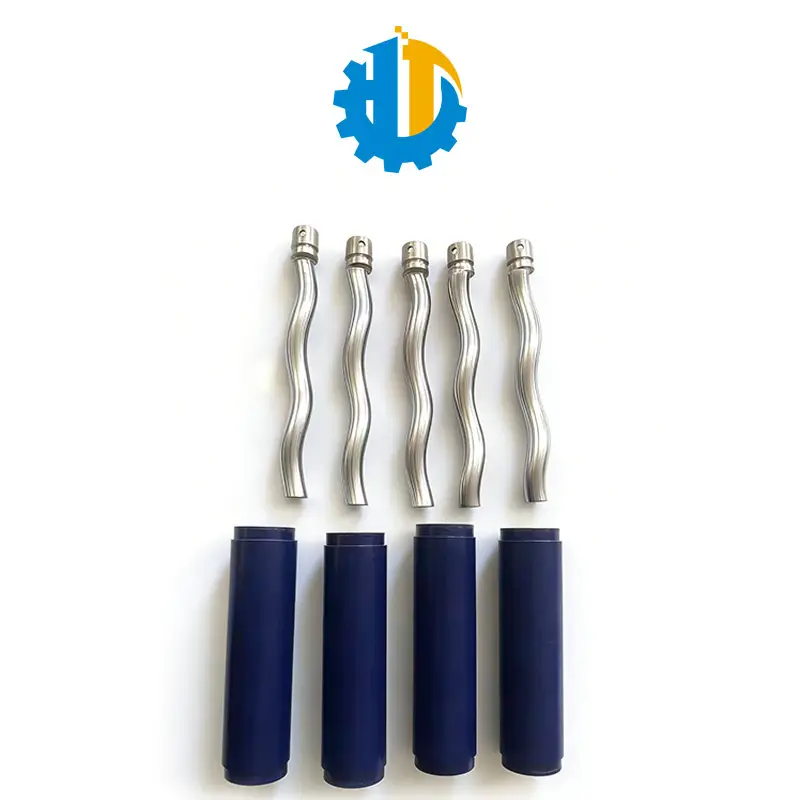
● Monthly Inspection (Component Condition Check): Conduct a comprehensive inspection of rotating components, including the pump shaft, bearings, and couplings, to check for abnormal noise, excessive vibration, or loose connections. Inspect sealing components (mechanical seals, O-rings) for leaks, aging, or damage, and replace them promptly if issues are found. Focus on the condition of the stator and rotor: check if the rotor rotates smoothly and if the stator is deformed, worn, or delaminated. For imported progress cavity pumps (such as Netzsch and Seepex), the stator and rotor are critical wear parts and require close monitoring to avoid unplanned production line shutdowns and unnecessary losses.
Maintenance should be performed regularly every month and quarter. Its core purpose is to reduce component wear, slow down part aging, and improve equipment operational stability. The specific steps are as follows:
● Lubrication Maintenance: Add the appropriate lubricating oil (or grease) to rotating components such as bearings and couplings every month. Follow the equipment manual’s recommendations for the correct amount—too much lubricant can cause carbon buildup, while too little can lead to dry friction. Inspect the lubricant quality quarterly; if the oil turns black, becomes cloudy, or contains impurities, replace it promptly to ensure adequate lubrication of rotating parts.
● Component Maintenance: For core components like the stator and rotor, if the pump is out of service for an extended period, first drain any residual medium from the pump body, clean it thoroughly, and apply protective oil to prevent corrosion. Regularly check the wear level of components and replace them promptly based on their condition. This avoids reduced pump efficiency, damage to other parts, and increased maintenance costs caused by excessive component wear.
● Pipeline Maintenance: Inspect the inlet/outlet pipeline connections monthly to ensure they are secure and prevent medium leakage from loose fittings. Flush the pipelines quarterly to remove impurities and scale, reducing the pump’s operational load and preventing failures caused by blockages.
The stator and rotor are critical wear components of progress cavity pumps. For imported models (such as Netzsch, Seepex, and MONO), their precise materials and specialized structures require more careful maintenance. Many enterprises make common maintenance mistakes that shorten component life, accelerate damage, and increase costs. Below are these pitfalls and key maintenance precautions:
● Pitfall 1: Ignoring medium cleanliness, leading to increased component wear. Some businesses adopt a "if it works, don’t fix it" mentality, neglecting medium filtration and cleaning. Solid particles and impurities in the medium rub directly against the stator’s inner wall and the rotor’s surface, causing stator wear, rotor deformation, and significantly shortened component life. In severe cases, this can lead to pump jamming and production line shutdowns.
● Pitfall 2: Improper lubrication, damaging core components. To reduce wear, some operators apply excessive lubricant or use a lubricating medium incompatible with the stator and rotor materials. This can cause carbon buildup from over-lubrication or corrosion of component surfaces, compromising seal performance and operational stability. This often leads to medium leakage and reduced pump efficiency.
● Pitfall 3: Delaying replacement of worn components, causing cascading failures. When the stator or rotor shows minor wear, some businesses continue operation to save short-term costs. However, wear will gradually worsen, reducing efficiency, increasing energy consumption, and potentially causing cascading failures such as pump shaft bending or bearing damage—resulting in greater downtime and maintenance costs.
● Pitfall 4: Non-standard disassembly and maintenance, damaging component precision. When disassembling the stator or rotor, failing to follow the equipment manual and using force can deform components and damage sealing surfaces. Even with new parts, this can cause operational abnormalities and medium leakage, affecting overall equipment stability.
● Strictly control medium purity: Install a suitable filter at the pump inlet and clean it regularly to prevent impurities from entering the pump and wearing the stator or rotor. For special media (e.g., corrosive or high-viscosity fluids), use components made of compatible materials to reduce corrosion and wear, extending component life.
● Use the correct lubricating medium: Select a lubricant that matches the equipment model and follow the manual’s guidelines for the correct amount. Inspect and replace lubricant regularly to ensure adequate lubrication of rotating components and prevent dry friction damage.
● Monitor stator and rotor wear: Address minor wear promptly by shutting down the pump. Replace severely worn components to prevent failure escalation. When replacing parts, prioritize high-adaptability, reliable replacement parts to ensure component precision and equipment stability.
● Follow standard disassembly and installation procedures: Use specialized tools and avoid force when removing or installing the stator and rotor. Store disassembled components properly to prevent collision, deformation, or contamination, ensuring they function correctly when reinstalled.
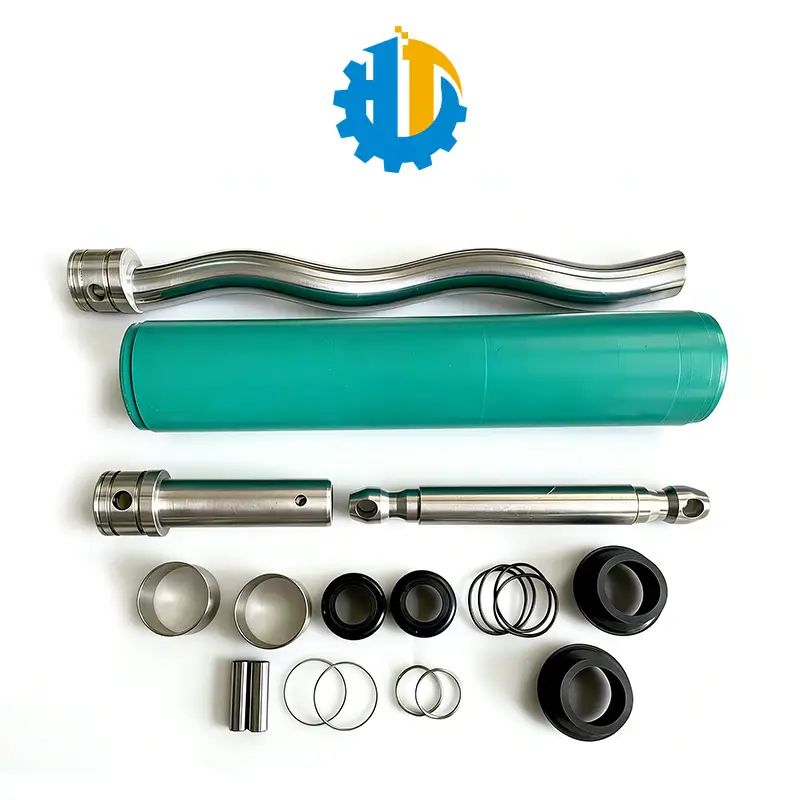
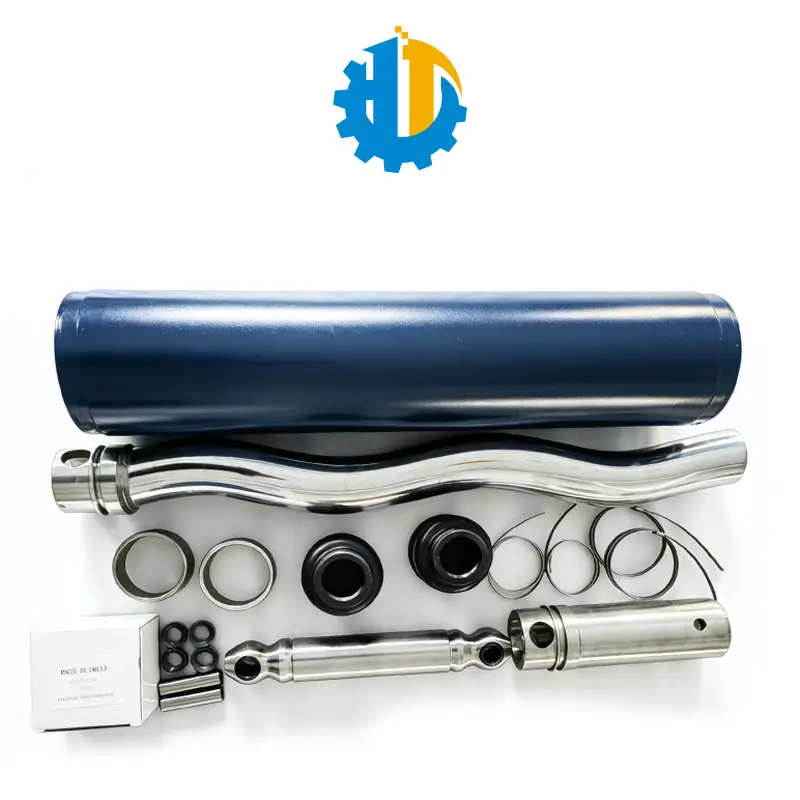
Imported progress cavity pumps (Netzsch, Seepex, MONO) face industry challenges: high maintenance difficulty for stators and rotors, expensive original parts, and long delivery times. Drawing on over 10 years of experience in R&D and production of imported pump parts, HONGTUO Machinery has developed core replacement components (including stators and rotors) by integrating high-quality supply chain resources. These parts match the quality of original components while offering the key advantages of "easy installation and easy maintenance," significantly reducing enterprise maintenance difficulty and long-term costs.
● Easy Installation: HONGTUO replacement parts strictly adhere to the original technical standards of imported pumps. Using precision CNC machining (with an accuracy of ±0.005mm), they are fully compatible with all series of imported progress cavity pumps (Netzsch, Seepex, MONO). No pump modifications are required—simply remove the old part and install the new one. The process is simple and does not require professional technicians, saving significant installation time and labor costs.
● Easy Maintenance: HONGTUO replacement parts are made of high-quality materials (e.g., 316L stainless steel, wear-resistant nitrile rubber) that match the grade of original components. These materials offer excellent wear and corrosion resistance, requiring no special maintenance procedures. Routine cleaning, inspection, and lubrication are sufficient to extend component life. Additionally, the parts’ specially treated surfaces resist medium residue and impurities, reducing cleaning difficulty and enterprise maintenance workload.
● Strong Compatibility: HONGTUO replacement parts cover all core models of the three major brands (Netzsch, Seepex, MONO), including both standard and custom models. With stable quality, they are less prone to wear, deformation, or leakage during operation, reducing maintenance frequency and unplanned downtime—further lowering enterprise maintenance costs.
Progress cavity pumps may experience minor faults during long-term operation. Mastering simple troubleshooting methods allows for quick problem identification and resolution, preventing fault escalation and reducing downtime losses. Below are common faults and their troubleshooting steps:
● Fault 1: Pump fails to deliver medium. Troubleshooting Steps: First, check for inlet/outlet pipeline blockages and clear any impurities. Second, inspect the stator and rotor for severe wear or jamming—replace worn parts promptly. Finally, verify that the motor speed is normal and troubleshoot any motor issues.
● Fault 2: Medium leakage. Troubleshooting Steps: Check sealing components (mechanical seals, O-rings) for aging or damage—replace them promptly if issues are found. Ensure the stator and rotor are properly installed and the sealing surface is clean; clean and reinstall if impurities are present. Tighten loose pipeline connections to eliminate leaks.
● Fault 3: Abnormal pump noise or excessive vibration. Troubleshooting Steps: Check bearings for wear or insufficient lubrication—add lubricant or replace bearings as needed. Inspect the rotor for deformation and the stator for wear—replace parts if abnormalities are found. Check the coupling connection for looseness, adjust, and tighten to reduce vibration and noise.
● Fault 4: Motor overheating. Troubleshooting Steps: Clean the motor heat sinks to ensure unobstructed heat dissipation. Verify that equipment operating parameters are within limits and reduce the pump’s load if necessary. Check the motor bearings for wear and replace them promptly to prevent overheating.
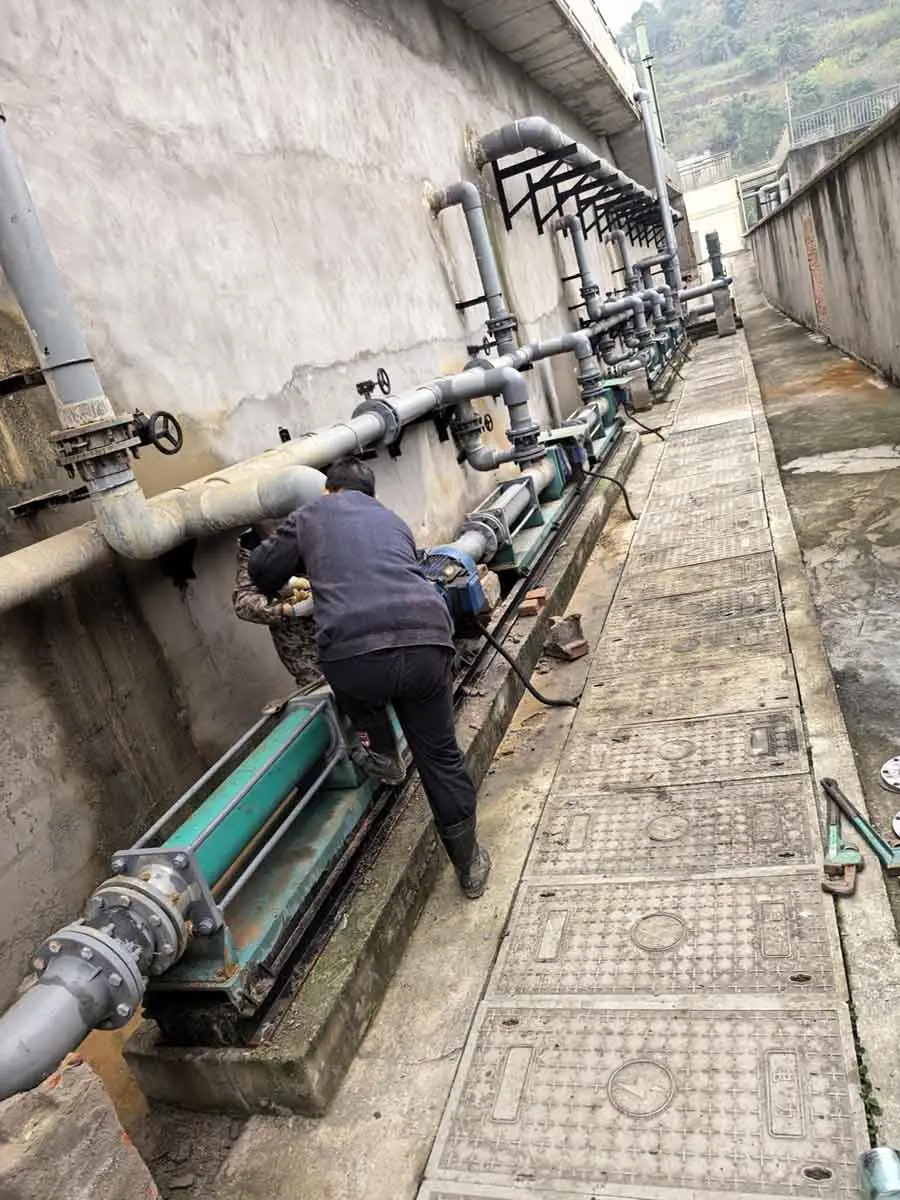
Summary: Daily maintenance is critical to extending the service life of progress cavity pumps and ensuring stable production. Strictly implement the "cleaning, inspection, and maintenance" principle, avoid common core component maintenance pitfalls, and select high-quality, easy-to-install-and-maintain replacement parts (such as HONGTUO replacement parts). Additionally, mastering simple troubleshooting methods for common faults will minimize failure rates and maintenance costs. As a leading manufacturer specializing in R&D of imported pump replacement parts, HONGTUO Machinery not only provides cost-effective core components (e.g., stators and rotors) but also offers professional maintenance guidance—helping enterprises achieve efficient, stable operation of progress cavity pumps and ensuring continuous production.
10 Mar,2026
09 Mar,2026
08 Mar,2026
07 Mar,2026
Hunan HONGTUO Machinery Co., Ltd. is a modern high-tech enterprise integrating R&D, production, sales and service, located in Xingsha Industrial Park, Changsha Economic and Technological Development Zone, Hunan Province, China. We focus on the field of fluid conveying equipment and provide professional, efficient and customized fluid conveying solutions and product services for global customers.
We'll get back to you as soon as possible

 EN
EN AR
AR NL
NL FR
FR DE
DE IT
IT PL
PL PT
PT RU
RU ES
ES VI
VI TH
TH MS
MS