Home > showlist
When picking an ESPCP pump, you should first think about the liquid you want to pump. Is it thick or thin? Does it have solids in it? For example, if you're moving oil, you need a pump that can handle thicker liquids. If the liquid has sand or other particles, you need a pump with strong enough parts to avoid getting damaged. Another thing to consider is the flow rate, which is how much liquid you need to move in a certain time. If you need to move a lot of liquid quickly, you will need a pump with a higher capacity. You also need to look at the pressure the pump needs to handle. Some jobs require high pressure, while others do not. Think about where the pump will be used too. If it's outside, it may need to be more durable to resist weather. Hoto offers different types of ESPCP pumps that can fit various needs. It is good to talk to experts who can help you decide which pump is best for your situation. They can give you advice based on your specific needs and conditions.
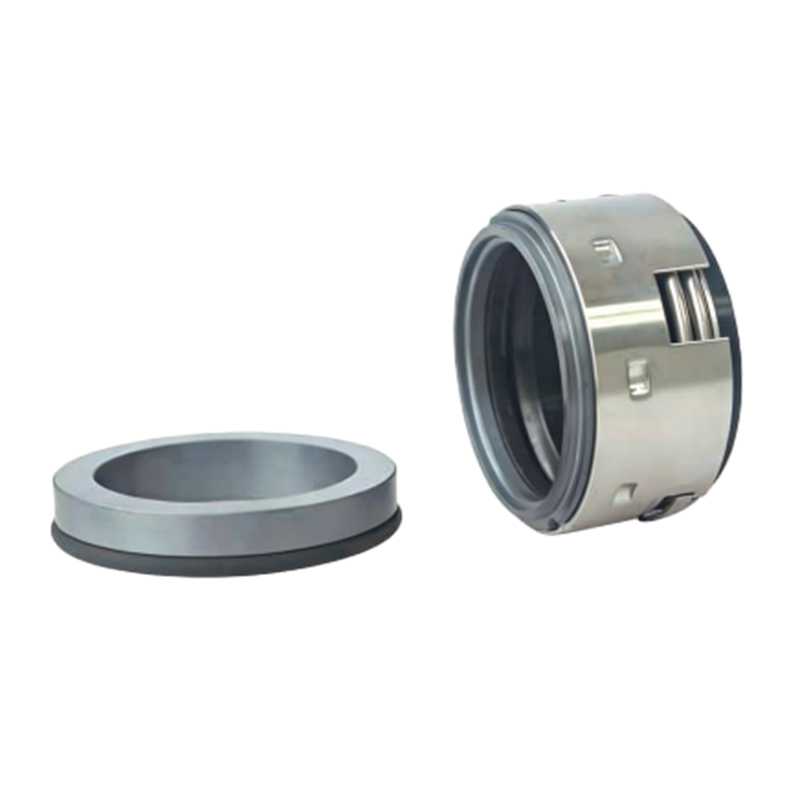
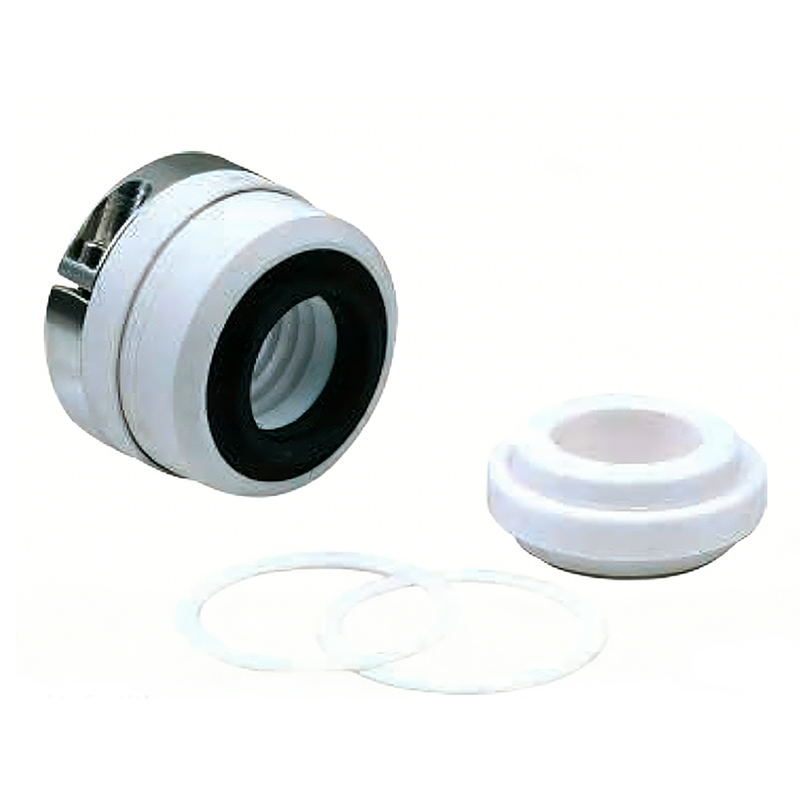
Sometimes, ESPCP pumps can have problems when they are used. One common issue is clogging. This happens when solids in the liquid block the pump. If you notice that your pump is not working as well, check for clogs. To fix this, you can clean the pump regularly and make sure the liquid going in is not too thick with solids. Another problem can be wear and tear on the parts. Pumps have moving parts that can wear out over time. It is important to check these parts often and replace them if they look worn. Regular maintenance is key to keeping your pump in good shape. Sometimes, pumps can also have leaks. If you see liquid dripping, check the seals. Tightening them might help, or you may need to replace them. Hoto provides support and guidance for our customers to help them solve these issues. Making sure you take care of your pump can help progress cavity pump last longer and work better.
ESPCP pumps, which stands for Electric Submersible Pumping Systems, are machines that help move liquids, especially in places like oil fields and water wells. These pumps are very important because they can work deep underground where other pumps cannot go. One of the best things about ESPCP pumps is that they are very efficient. This means they can move a lot of liquid without using too much energy. For example, in oil fields, ESPCP pumps can help bring oil to the surface faster and with less energy. This is good for the environment because lobe pump reduces the amount of energy used, which can help lower pollution levels.
In addition to oil and agriculture, ESPCP pumps are also used in other areas like municipal water systems and industrial applications. For cities, these pumps help supply clean water to homes and businesses. In industries, they help move chemicals or other liquids needed for production. Overall, the ESPCP pump is a versatile tool that helps many different fields improve their efficiency. Hoto is proud to offer ESPCP pumps that can meet the needs of various industries, ensuring they run smoothly and effectively.
Another way to extend the life of your ESPCP pump is to make sure rotary lobe pump is installed correctly. Proper installation helps the pump work efficiently and reduces the risk of damage. Hoto provides clear instructions for installation to help users set up their pumps correctly. It's also important to use the right type of fluid with your pump. Using fluids that are too thick or contain particles can cause damage over time. Always follow the manufacturer’s guidelines to ensure you are using the right liquids.
The world of ESPCP pumps is constantly changing as new technologies are developed. One of the latest innovations is the use of smart technology. Smart ESPCP pumps can connect to the internet, allowing users to monitor their performance from anywhere. This means you can check how the pump is doing right from your phone or computer. If there is a problem, you will know immediately and can take action before it becomes a bigger issue. Hoto is leading the way in integrating smart technology into our ESPCP pumps, making them more user-friendly and efficient.
Another exciting innovation is the use of better materials in pump construction. This helps make the pumps more durable and resistant to corrosion. Using advanced materials can also make the pumps lighter, which makes them easier to install and move if needed. Additionally, some new pumps have better designs that improve their efficiency. For example, some pumps now come with improved impeller designs that allow them to move more liquid while using less energy. This is not only good for the environment but also helps save money on energy costs.

 EN
EN AR
AR NL
NL FR
FR DE
DE IT
IT PL
PL PT
PT RU
RU ES
ES VI
VI TH
TH MS
MS