Home > showlist
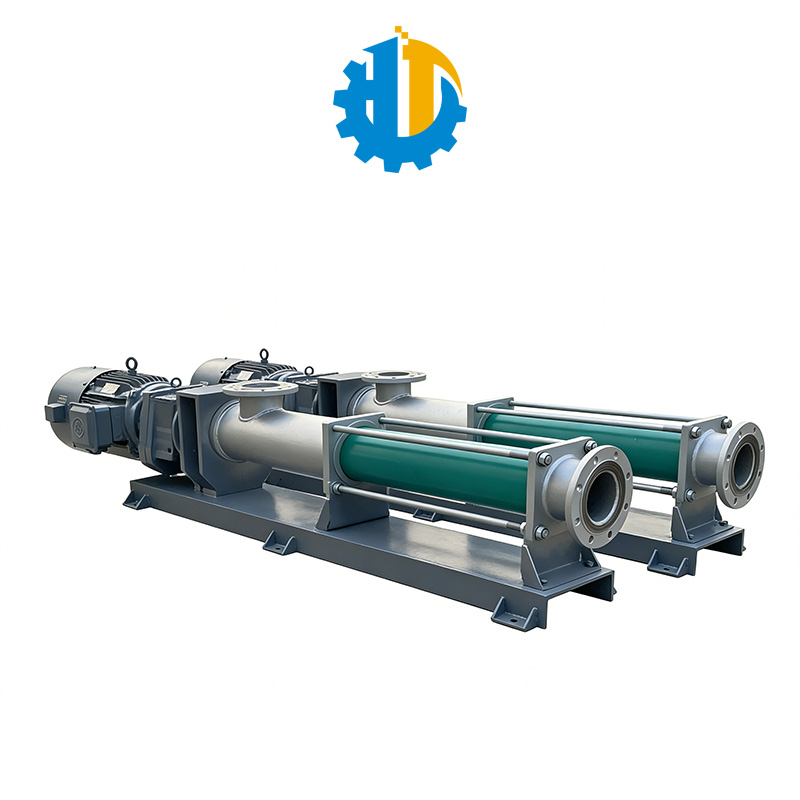
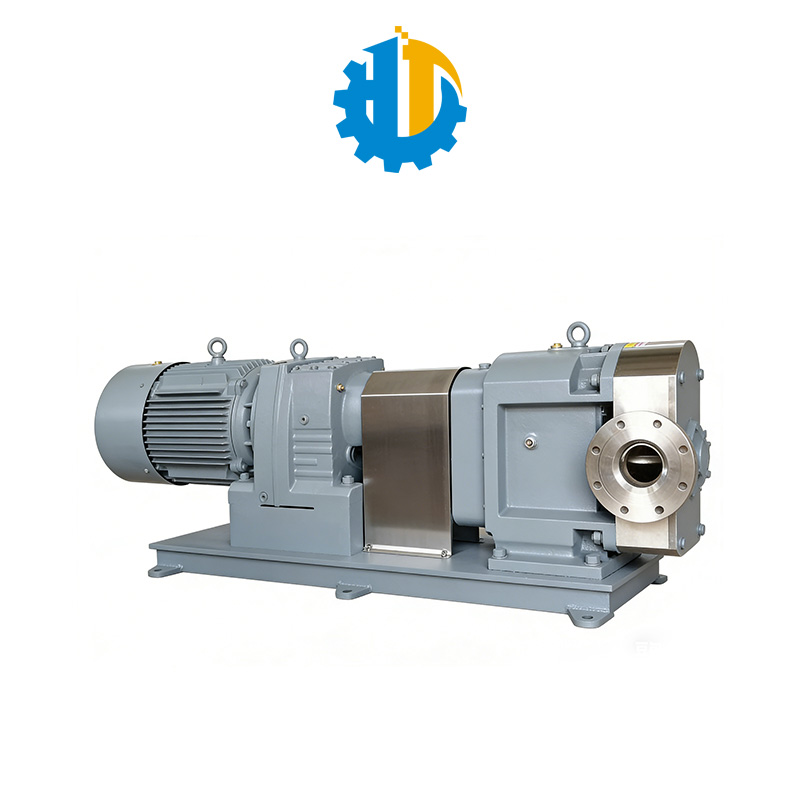
When dealing with low flow situations, a progressive cavity pump can be a great choice. Hoto specializes in these pumps, which are designed to move liquids smoothly and efficiently. These pumps work well for a variety of applications, especially where the flow rate is low. Their design allows them to handle thick fluids, slurries, and even abrasive materials. They operate using a helical rotor that turns inside a stator. This action creates cavities that trap fluid and push it through the pump. For industries like food, wastewater, and chemicals, having the right pump is essential. With Hoto’s pumps, you can expect reliability and performance even in challenging conditions.
Choosing the right progressive pumps involves understanding your specific needs. First, consider the type of fluid you will be pumping. Different fluids have different viscosities. Viscosity is how thick a liquid is. If the liquid is thick, you need a pump that can handle that. Hoto offers pumps that can manage high-viscosity fluids without any trouble. Next, think about the flow rate. This is how much liquid needs to be moved over a certain time. If the flow rate is low, a progressive cavity pump can be a perfect fit. They are designed to work efficiently even at low flow rates.
Another important factor is the pressure requirements. You need to know how much pressure the pump will face when operating. Hoto’s pumps are built to handle various pressure levels, ensuring they won’t fail under stress. Additionally, check the pump materials. Some fluids can be corrosive, so using a pump made from durable materials is key. Hoto uses materials that resist corrosion and wear, which extends the life of the pump. Finally, think about the installation space. Some areas have limited space for pumps. Hoto’s designs are compact, making them easier to fit into tight spots.
When using a small progressive cavity pump, there are several things to watch for to ensure it runs smoothly. First, listen for unusual sounds. If the pump starts making strange noises, it could mean something is wrong. This could be due to wear and tear on the rotor or stator. Regular maintenance is important. Hoto recommends checking the pump often to catch any issues early. Another thing to look at is the flow rate. If you notice the flow decreasing, it might be a sign of a blockage or wear in the pump.
Progressive cavity pumps, like those made by Hoto, are special types of pumps that work well in low flow situations. They are designed with a unique structure that allows them to move liquids smoothly, even when the flow is small. This is important because many industries often need to move liquids quietly and slowly. For example, in food processing or in chemical plants, moving liquids gently is very important to keep everything safe and to avoid damaging the materials.
Using Hoto progressive cavity metering pump also means that energy is used more efficiently. Because the pump is designed to handle low flow conditions, it doesn’t waste energy trying to push the liquid too fast. This helps companies save money on their power bills. Furthermore, when businesses save energy, they are also helping the environment. So, using these pumps is not only good for business but also good for our planet.
Progressive cavity pumps, like those from Hoto, are known for their reliability, but sometimes they can have issues. Knowing how to troubleshoot these problems can help you keep your pump running smoothly. One common issue is when the pump does not move liquid as it should. If this happens, the first step is to check if there is a blockage. Sometimes debris or other materials can get stuck inside the pump, preventing liquid from flowing. Cleaning the pump can often solve this problem.

 EN
EN AR
AR NL
NL FR
FR DE
DE IT
IT PL
PL PT
PT RU
RU ES
ES VI
VI TH
TH MS
MS