Home > showlist
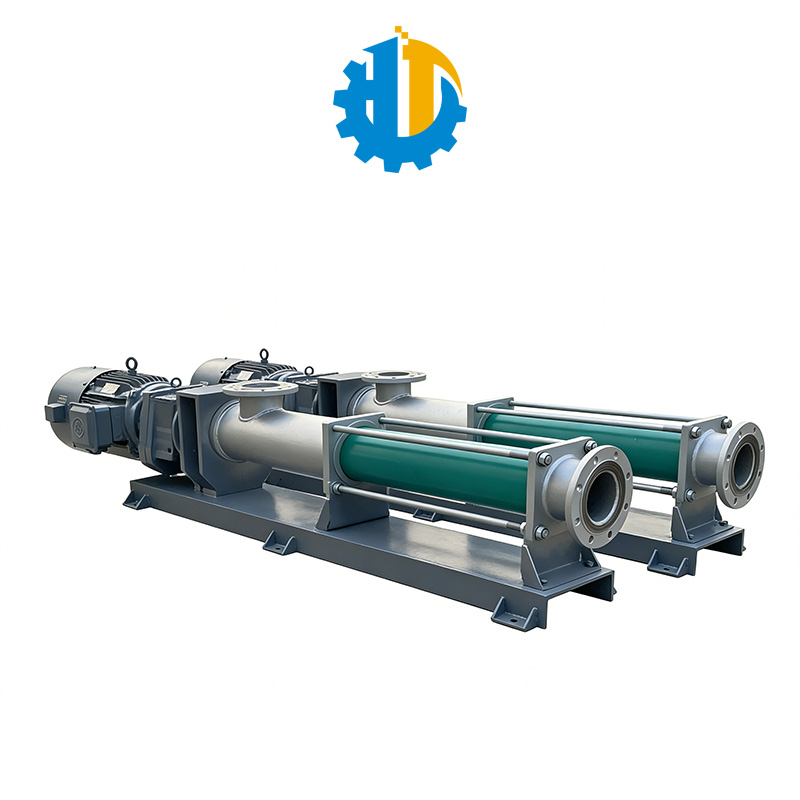
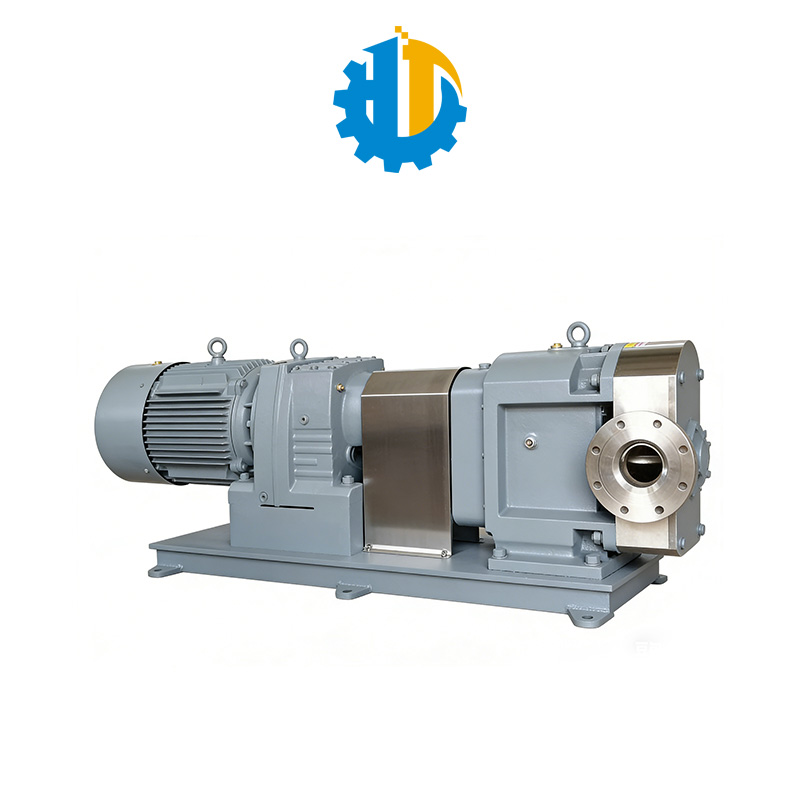
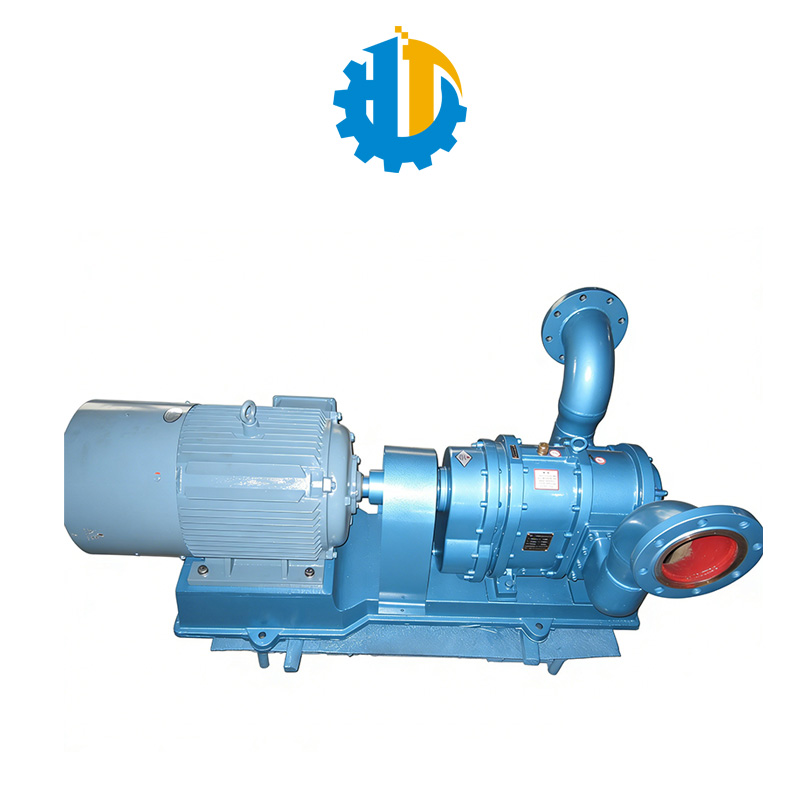
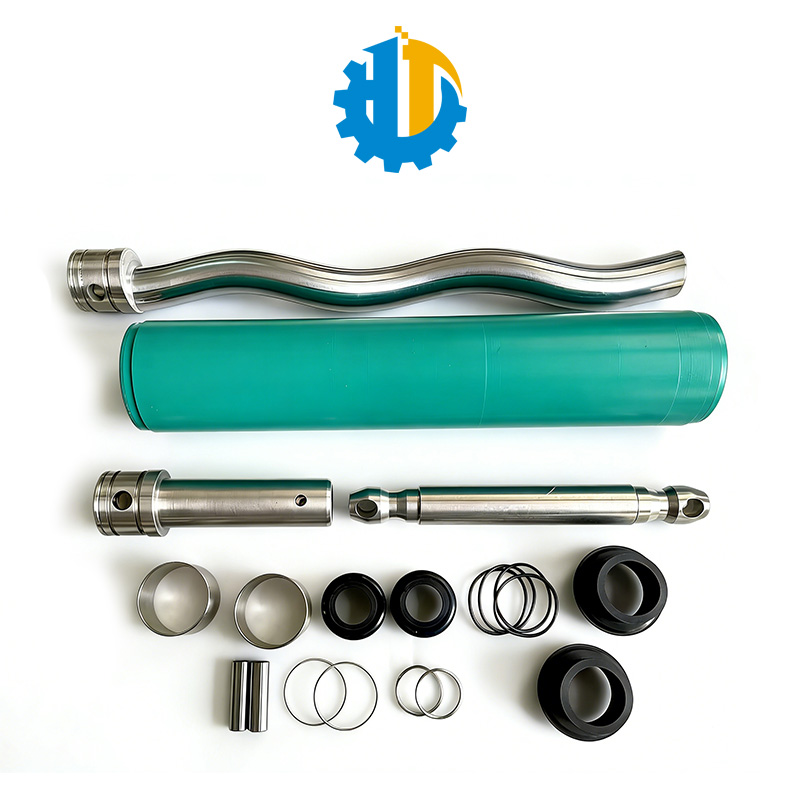
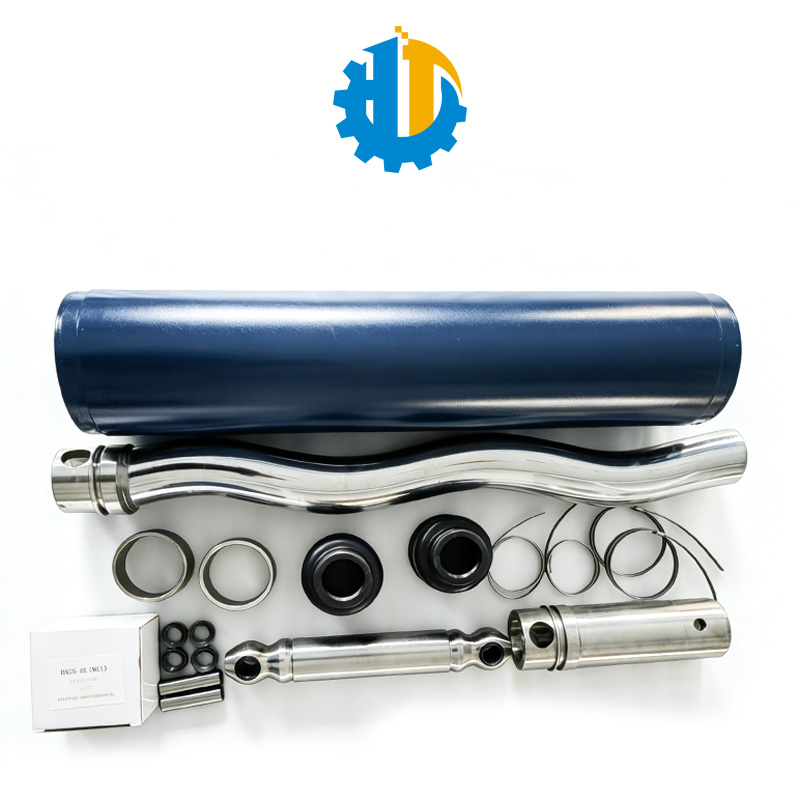
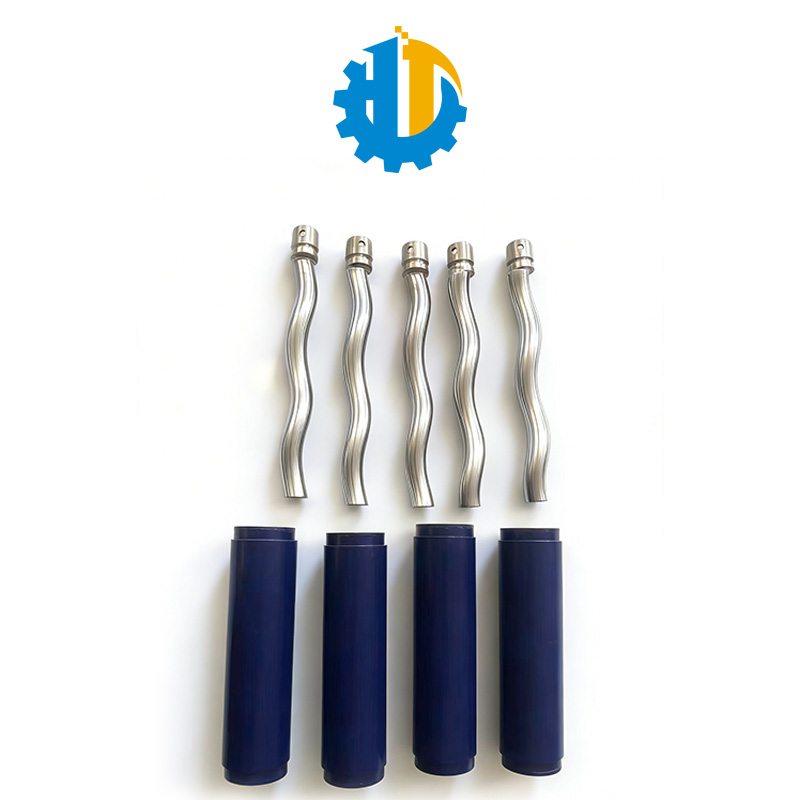
American progressive cavity pumps are a special type of pump that helps move liquids, especially thick or sticky fluids. These pumps are known for their unique design, which allows them to handle a variety of materials. The structure of a progressive cavity pump includes a rotor and a stator. The rotor is a screw-like part that turns, while the stator is a stationary part that surrounds it. When the rotor spins, it creates cavities that trap and move the liquid through the progress cavity pump. This makes it great for industries like food processing, wastewater treatment, and oil and gas. Hoto is a brand that specializes in these pumps, providing high-quality products for different needs.
American progressive cavity pumps stand out because they are reliable and efficient. Wholesale buyers often look for products that will last and do their job well. These pumps, made by Hoto, are built to handle tough jobs. They can move liquids that are thick, like sludges or pastes, without clogging. This is important for businesses that need to keep things running smoothly. Many industries rely on these pumps for their operations, which means they need pumps that won’t break down easily.
American progressive cavity pumps are special machines that help move liquids from one place to another. These pumps are very efficient because they use a unique design. They have a rotor and a stator. The rotor is a corkscrew shape that spins inside the stator, which is a rubber-like material. When the rotor turns, it creates small pockets that trap the liquid and move it along. This design allows the pump to handle thick liquids, called viscous fluids, like mud or syrup, as well as thin ones like water. Because of this, American progressive cavity pumps are used in many industries, like food, oil, and wastewater.
One reason these progressive pumps are so efficient is that they create a smooth flow. There are no sudden stops or starts, which can waste energy. Instead, the liquid moves steadily through the pump. This means less energy is needed to move the same amount of liquid compared to other types of pumps. Hoto, a company known for its quality pumps, designs progressive cavity pumps that are even better at saving energy. They help businesses save money on their energy bills while getting the job done. Also, these pumps can work at different speeds and can be adjusted to meet the needs of different tasks. This flexibility makes them an excellent choice for many different jobs. Overall, American progressive cavity pumps are fantastic tools for moving liquids more efficiently, helping companies work better and save money.
To get the best performance from American small progressive cavity pump, it is essential to take good care of it. Regular maintenance is key. This means checking the pump often to make sure it works well. One important thing to do is to clean the pump regularly. If thick liquids or sludge build up inside, it can cause problems. Hoto recommends using a cleaning solution that is safe for the pump materials. This helps keep everything running smoothly.
Also, it is important to use the right type of liquid with the pump. Some pumps work better with certain liquids. If a pump is used for a liquid that is too thick or too corrosive, it can wear out faster. Hoto offers guidance on which liquids are best for their pumps, helping users make smart choices. Last but not least, operators should keep an eye on the pump’s speed and pressure. Running the pump at the right speed and pressure can help avoid damage and ensure it works efficiently. By following these tips, users can make sure their American progressive cavity pumps work well for a long time.
The field of pump technology is always changing, and American progressive cavity pumps are no exception. Companies like Hoto are working hard to bring new ideas to the market. One of the latest innovations is the use of smart technology. Some new pumps have sensors that can monitor how the pump is working in real time. This means that if there is a problem, like a blockage or a drop in pressure, the pump can send a warning to the operator. This helps fix issues before they become big problems, saving time and money.

 EN
EN AR
AR NL
NL FR
FR DE
DE IT
IT PL
PL PT
PT RU
RU ES
ES VI
VI TH
TH MS
MS